
About
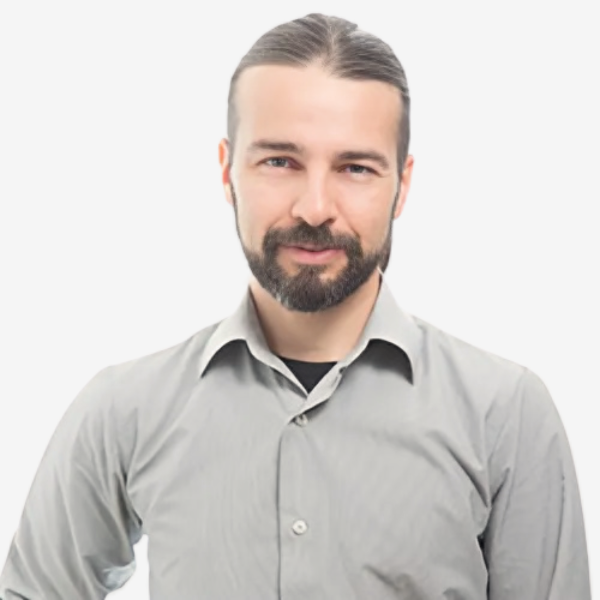
Hi, I’m Michael.
For more than 25 years, I’ve helped people change the automatic patterns that get in the way, so the way they want to be becomes second nature.
And although I see it happen every week, I’m still struck by how quickly even lifelong patterns can change when the conditions are right.
More than a decade ago, the roles were reversed. I was the one who needed help.

- 6M+people reached through my work
- 4M+of them have listened to Instant Calm
- 103+countries my clients come from
- 25+years working with a no change, no pay guarantee
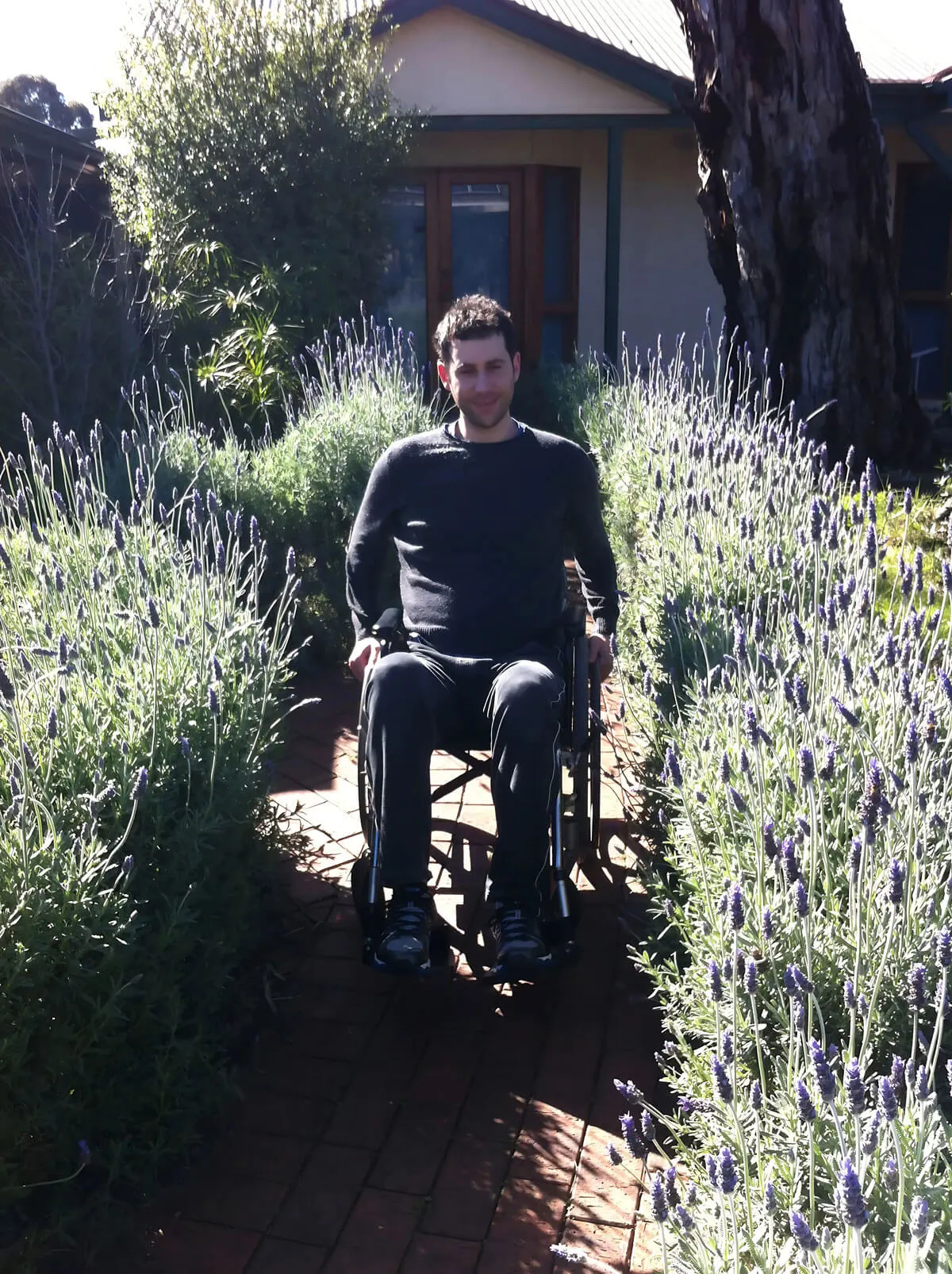
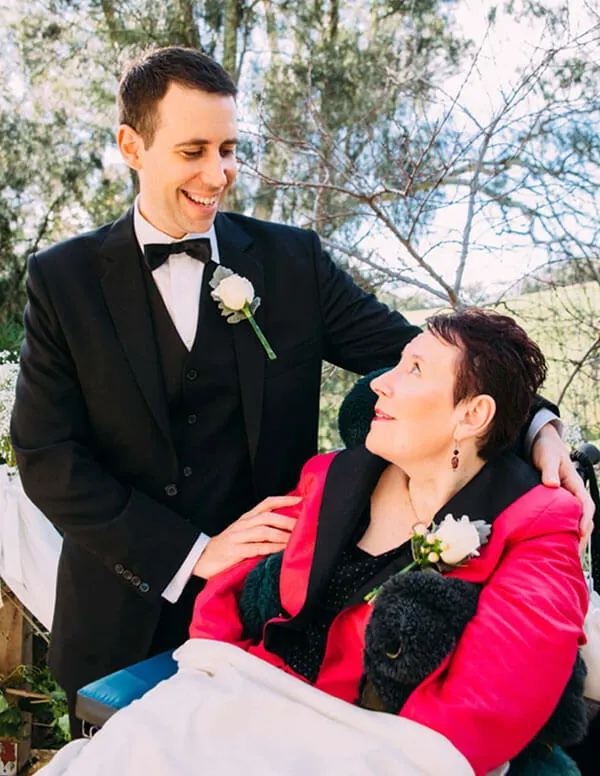
They Told Me I’d Never Walk Again
I was in a wheelchair, getting weaker by the day. Most people had given up on me.
Two doctors and a physical therapist told me I’d never walk again.
Nothing was working.
But I was never going to give up.
Eventually, I found a world-class physical therapist who believed in me, and saw possibilities others had missed.
She helped me walk again, and stand beside my mother on my wedding day.
Only later did I learn the diagnosis:
Multiple sclerosis.
My case is less aggressive than my mother’s was. She was paralysed from the neck down.
But the experience reinforced a belief that has guided my work from the beginning:
There’s a world of difference between what’s possible and what’s common. Help designed to fit you, not the ‘average person’, can change the entire trajectory of your life.
I know what it’s like to keep searching for something that works, and keep coming up short.
That experience has shaped everything I do, and strengthened the obsession I’ve had for decades:
What actually creates change?
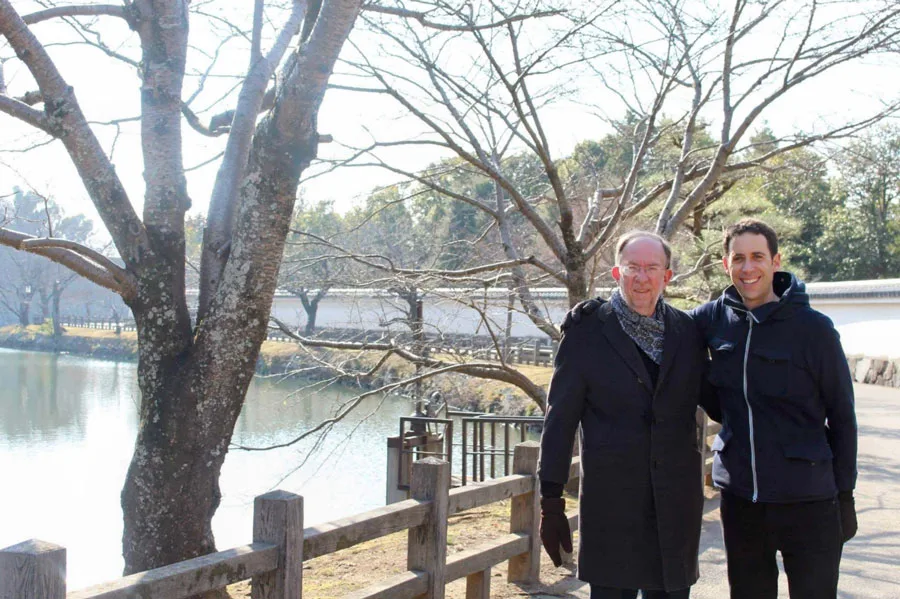
Watch me tell this story at Himeji Castle, the place I dreamed of returning to. Filmed in 2015 · 1 min
A Lifelong Passion for Science
Growing up, my father, an award-winning doctor, professor and scientist honoured with an Order of Australia, sparked my love of science.
Dinners at home often included conversations with world-renowned scientists, which fuelled my lifelong curiosity about how the world works.
That curiosity led me to undergraduate and postgraduate degrees in science, and for a time, to work as a full-time research scientist.
I was on track to follow my father into academia.
But one day, in my university library, I stumbled upon someone who would change the direction of my life…
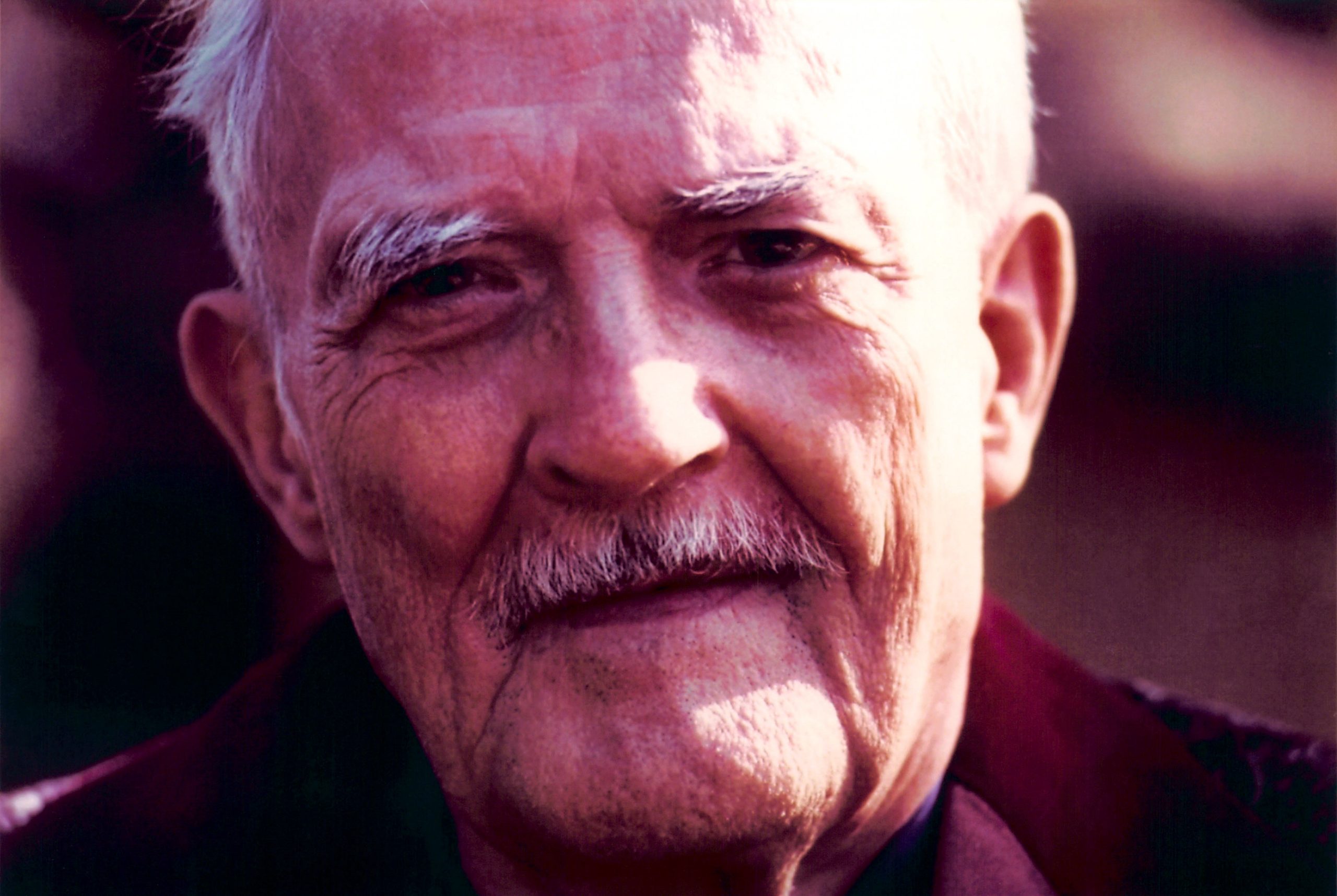
The Genius Who Changed My Path
Milton Erickson is widely regarded as one of the greatest therapists who ever lived.
Clinical psychology lacks the precision of the hard sciences I first trained in. And yet Erickson brought an extraordinary level of precision and rigour to helping people change.
To me, he was the Einstein of personal change.
The challenge?
While Einstein left behind equations anyone could study, Erickson left behind brilliance that almost no one, even today, can fully reproduce.
I was so captivated by his work that I turned down a fully funded PhD scholarship. Nothing else could hold my attention. I wanted to learn how he did it.
I’ve been personally mentored by some of his most remarkable students, many of whom took aspects of his work even further than he did. I do my best to honour his legacy and theirs, and to carry the work forward.
For over 25 years, mastering Erickson’s skill set has been my all-consuming passion.
What I’ve built from that work is what I now call Automatic Change.
‘Michael Norman is a rare example of great clinical skills, deep knowledge of the scientific literature…’
The Science of One
No two people are alike.
Even when two people seem to have the same problem on the surface, what’s ‘underneath’ can be completely different.
Naming a problem isn’t the same as understanding it.Understanding a category isn’t the same as understanding an individual.And understanding a problem isn’t necessarily the same as knowing how to change it.
This is one of the reasons I believe one-size-fits-all methods are inherently limited. When we look past labels and discover what’s actually happening for you, new possibilities for change open up.
I’ll never assume that what worked for the last person will work for you. Instead, we’ll test each change in the session itself, make any needed adjustments, and check how fully the changes show up in your everyday life.
Every step gives us information. What changes, and what doesn’t, tells us what to do next.
Sometimes that means an approach I’ve refined over decades. Sometimes it means creating something new, because that’s what you need.
The goal isn’t to make you fit a predefined method. It’s to make everything we do fit you.

With my wife and daughter.
Why I Think Across Borders and Disciplines
I was born in Zimbabwe, raised in Australia, and lived in seven countries before settling in Japan.
These days, I live in Japan with my wife and daughter.
Our home and my office look out over Himeji Castle, one of my favourite places in the world.
I still feel grateful every time I walk around it.
Just as living in different cultures expanded my understanding of people, travelling through different scientific fields has deepened my understanding of change.
Some of the most useful ideas I’ve found come from outside psychology and psychotherapy: linguistics, complexity science, philosophy of science, evolutionary science, and neuroscience, especially predictive processing.
Sometimes a problem that seems impossibly complex from one angle becomes remarkably simple when you look at it from another.
Richard Feynman has long been one of my intellectual heroes. To me, he embodied the best of science: curiosity, adventure, the desire to make a difference, and a refusal to let the boundaries of a subject limit where that curiosity leads.
Above all, he was rigorously honest with himself. As he famously put it:
‘The first principle is that you must not fool yourself, and you are the easiest person to fool.’Richard Feynman
That’s why everything we do together is calibrated, each step of the way, by feedback that gives you undeniable evidence about whether what we’re doing is actually working or not.
‘Michael is one of the best in the world.’
‘I’ve known Michael for over 20 years. In my view, he is one of the best. He will leave no stone unturned, no avenue unexplored, to help you move forward and feel free again.’
Dr Lewis WalkerMedical doctor · Coach to Great Britain & Scotland International Athletes · Scotland
Why I Keep My Practice Small
From the outside, no one would guess I have MS.
I live a full, rich life. But I do have to prioritise my health and energy. That’s why I only take on a small number of one-on-one clients each week.
I work with people from every walk of life, including doctors, therapists and entrepreneurs.
And one of the delights has been hearing from an actor or musician whose work I’ve admired for years, or discovering that someone I’ve just been watching in a Netflix series wants my help. I still find that amazing.
Of course, I never say who. And whoever you are, your privacy matters just as much.
Some come to me because they’re suffering. Others are doing well in life, but there’s still a feeling they’d rather not have, a reaction they can’t seem to shake, or something they’d love to do more naturally.
It doesn’t matter how big or small your problem is, or how long you’ve had it.
You don’t even need to know why it’s happening. You just need to know what you want to change.
But if you’re looking for someone to talk things through week after week, there are therapists and counsellors who offer that. My work is different. We focus on making the way you want to be second nature.
And if I don’t think I’m the right person to help you, I’ll tell you honestly.
If there’s something you wish were different, something that keeps happening automatically despite everything you’ve tried, I’d love to help.
Just because something has been a problem for years doesn’t mean it has to take years to change. Sometimes, change can happen in a heartbeat.
‘Michael’s work has made me a better parent, friend, and therapist. I’ve recommended him to people I love, and they just thank me for it.’