
Nothing you've tried has created the lasting change you want. Because:
There Are Two Brain Systems for Change. You've Only Been Shown The Slow, Effortful One.
I've offered a no-change, no-pay guarantee to clients across 103 countries for over 25 years. That's how well the other system works.
Results depend on the pattern and the person
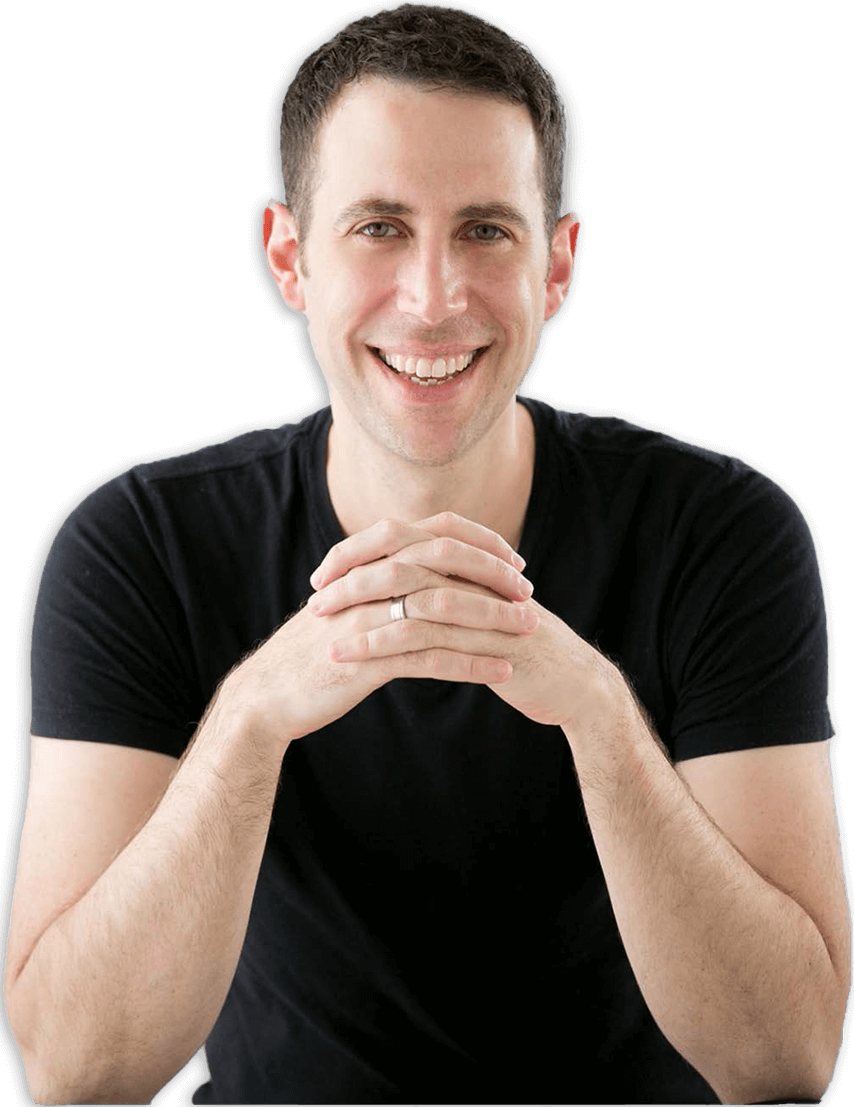
Former Research Scientist • 103 Countries • 6M+ Lives IMPACTED • 25+ Years
Still stuck with anxiety, panic, or fears that you can't think your way out of?
Free personalised help, based on 25+ years and 103+ countries.
- Receive my acclaimed Instant Calm deep-relaxation session, FREE. Listened to by over 4 million people, this unique '3D' experience effortlessly melts stress, quiets your mind, and calms your body.
- Plus, a free email series that shows you why your pattern keeps firing, what's actually maintaining it, and how to start changing it. Personalised to your situation after a short 1-question quiz.
- Discover the practical science and art of fast, lasting Automatic Change.
Even if you've tried everything and nothing has lasted.
Free for now.
“No one else does, or can do, what Michael does.”
Dr. Martin Russell
Medical Doctor · Australia.
Why Automatic Change Is Different
Transformation Over Information:
You don’t need more head-knowledge or techniques to practice. You need your mind and body to respond the way you want, automatically, without needing to think about it.
The Science of Automatic Change:
Most approaches focus on logic, effortful techniques, and willpower, trying to force change or overpower the problem. Real freedom comes from automatically transforming the fast, unconscious patterns driving the problem.
Results As Fast As Humanly Possible:
Change that used to take months of therapy can now happen far faster, often in just 1–3 sessions, by working with your brain's natural system for fast, lasting transformation.
You don’t have to keep struggling. Freedom can begin today.
“Michael is one of the best in the world.”
“I’ve known Michael for over 20 years. In my view, he is one of the best. He will leave no stone unturned, no avenue unexplored, to help you move forward and feel free again.”
Dr. Lewis Walker
Medical Doctor · Coach for Team Great Britain Athletes · Scotland
Traditional Methods Largely Ignore Your Brain's Most Powerful System for Change.
For over a century, scientists, from Nobel laureates like Ivan Pavlov to Daniel Kahneman, have studied how our brains create thoughts, emotions, and behaviours.
Their groundbreaking discoveries reveal two metaphorical brain ‘systems’ (or modes of processing) that help explain psychological change:
- The Effortful System: slow, deliberate, and conscious. It’s the ‘system’ behind logic, analysis, and trying to force change through willpower.
- The Automatic System: fast, effortless, and unconscious. It shapes your reactions, habits, and emotional patterns before your conscious mind even notices.
The problem?
Despite these revolutionary insights, mainstream methods for change vastly underutilise the Automatic System, perpetuating the belief that change must be slow, difficult, fragile, and dependent on willpower.
It’s no surprise, then, that therapy outcomes have not improved in over 50 years.
What if there’s a better way?
A way that frees you from hours of talking, reliving the past, and other outdated methods.
What if the key to fast, lasting, and often effortless transformation comes from letting go of the focus on willpower?
And what if Automatic Change isn’t just easier, but also dramatically faster and more durable, because it aligns with the way your brain naturally works?
Skeptical?
If so, that’s completely understandable.
In over 25 years, I’ve worked with clients from 103+ countries. Many felt unsure at first, until they experienced what’s truly possible.
And now, it’s your turn.
Clients From 103+ Countries
“You saved my life.”
Mohammad Ullash
“I feel like I'm living a new life.”
Gustavo Estrada
“You cured my panic and saved my livelihood.”
Jay Alexander
“Doctors couldn’t help me. You did. Such a unique way to help.”
Arzu Yilmaz
“I suffered from Panic Disorder for 20 years. You gave me my freedom back.”
Genevieve Laker
“So different than anything I’ve done. A life-changer for me”
Nathan Hall
“I see life through different eyes.”
Imrane Shurdhani
“I experienced anxiety every day. Now it's gone. So simple.”
Frank Cav
“I got my life back. I feel like a better person than ever before.”
Rodolfo Antunes Maranhão
Note: As with anything in life, results naturally vary. Every person and situation is unique. But with Automatic Change, lasting, meaningful changes in just 1–3 sessions happen frequently.
Hi, I’m Michael.
I help people finally make the meaningful, lasting changes they’ve been seeking, but haven’t been able to create on their own, or even with professional help.
I’m a former research scientist and in the last 25+ years as an Automatic Change specialist, I’ve helped clients from over 103 countries transform their lives.
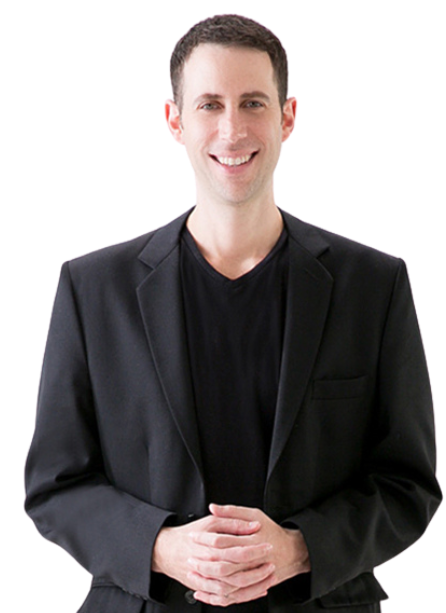
While I’ve helped clients with nearly every issue under the sun, I’m best known for helping people outgrow anxiety, panic attacks, and the effects of trauma.
I’m particularly passionate about helping growth-oriented achievers outgrow limiting patterns, so they can effortlessly perform at their best, enjoy every area of life, and inspire those around them.
Creating Automatic Change on our own can be difficult. Consciously identifying and changing unconscious patterns is the toughest challenge in human transformation.
But with the right, skilled help, it becomes something that can happen more quickly, easily, and effectively than most people would imagine, and even seem like magic.
That’s why I’ve dedicated the last two and a half decades to mastering this skillset, so I can make the biggest difference in the lives of people who need it most, including you.
“Michael Norman is a rare example of great clinical skills and a deep knowledge of the scientific literature.”
Dr. Flavio Cannistrà
Europe's foremost authority on Single Session Therapy · Co-Director of The Italian Center for Single Session Therapy · Italy
You Are Not Alone
We have one life. And every single day matters.
But sometimes, we get stuck in patterns that hold us back: emotional reactions, beliefs, habits, or ways of thinking that seem impossible to change.
At first, it’s frustrating. Over time, it can feel hopeless, or even scary, like nothing works and maybe nothing ever will.
If this resonates with you, know this:
It’s not your fault, and you’re not alone.
The patterns that hold us back aren’t signs of weakness. They’re part of being human in a complex, demanding world.
Over the past 25+ years, I’ve had the privilege of working with thousands of people from more than 103 countries, each facing struggles that once felt insurmountable.
From billionaires to music legends, Hollywood directors to elite athletes, parents to everyday individuals, I’ve seen how anxiety, fear, and life’s challenges touch everyone, regardless of success or circumstance.
Getting stuck is human. Staying stuck doesn’t have to be.
You’re not alone.
You’re not broken.
And thankfully, change is possible.
“I’m a mental health therapist. I’m not sure exactly what Michael did. To me, it was magical.”
“In one session my panic attacks were gone. I’m not sure exactly what Michael did, but whatever it was, it was powerful. To me, it was magical.”
Ruth Stern
Licensed Therapist · EMDR-Certified Clinician · United States
Surprisingly, Real Change Is Often More Effective Without Willpower
For most people, change means more effort, more pressure, more trying.
But what if real change isn’t about trying harder at all?
What if real change happens more easily, and more effectively, when you stop forcing, and start working with, the way your brain naturally works?
Hard to believe?
I get it.
After everything you’ve tried, skepticism is natural.
But what if the problem isn’t you, or your situation?
What if the problem lies with the approaches you’ve been using?
Over a century of science reveals a more effective way, one that works with your brain to create automatic, effortless, lasting change.
Still stuck with anxiety, panic, or fears that you can't think your way out of?
Free personalised help, based on 25+ years and 103+ countries.
- Receive my acclaimed Instant Calm deep-relaxation session, FREE. Listened to by over 4 million people, this unique '3D' experience effortlessly melts stress, quiets your mind, and calms your body.
- Plus, a free email series that shows you why your pattern keeps firing, what's actually maintaining it, and how to start changing it. Personalised to your situation after a short 1-question quiz.
- Discover the practical science and art of fast, lasting Automatic Change.
Even if you've tried everything and nothing has lasted.
Price: $0 (for now)
“I’m a neuroscientist specialising in mental health. Michael does what no one else on the planet can do.”
“Michael’s work has completely transformed my life. Our deepest-held beliefs about not being able to recover… are illusions.”
Mental Health Neuroscientist
Name withheld here due to research role at a top-tier global institution
The Science Of Automatic Change
Automatic Change isn’t a technique. It’s a different paradigm, grounded in how your brain actually works.
And just like you don’t need to understand how your phone works to benefit from its incredible capabilities, you don’t have to understand the science behind Automatic Change to experience its life-changing effects.
But if you’re curious, here’s a glimpse into two of the fascinating processes that explain how Automatic Change is possible:
Predictive processing and neuroplasticity.
Predictive processing is a powerful scientific model that describes how expectations shape what we perceive, think, feel, and do.
Our brains are constantly making automatic predictions about how the world works, what to expect, and how to respond.
When we’re stuck in anxiety, self-doubt, or painful habits, it’s often because our brains are relying on outdated predictions, like a GPS that keeps sending us the wrong way.
In simple terms:
Your brain is trying to serve you, but it’s using outdated or unhelpful expectations.
One way to understand Automatic Change is that it is the result of gently updating these predictions.
As a result, your brain and body effortlessly respond the way you want, automatically, and you outgrow the patterns that once held you back.
You don’t have to try harder.
You just start responding the way you want to, without even thinking about it.
Neuroplasticity is your brain’s natural ability to ‘rewire’ itself (a metaphorical shorthand for how patterns of neural activity change with experience).
When we create the right conditions, this ‘rewiring’ can be surprisingly fast, effortless, and lasting, allowing desired patterns of feeling, thinking, and responding to become your new normal.
The result?
A natural, automatic transformation in how you think, feel, and behave—freeing you of your most painful problems so you are free to thrive.
“I saw Michael for 7 minutes. That was all it took. Two years later, the problem is still gone.”
Dr. Walter
Medical Doctor · Australia
What Will It Cost You If You Don’t Outgrow This Problem Now?
You’ve tried using more willpower.
You’ve tried pushing through.
But how much more time, energy, and happiness are you willing to lose... trying the same outdated approaches that haven’t worked?
How many more sleepless nights, silent battles, or missed moments are you willing to trade, just to keep trying what’s already failed?
The longer you wait, the more of your life this problem quietly steals.
Or will you take a new path?
One that’s already helped people in 103+ countries automatically outgrow fear, anxiety, grief, and more—without relying on willpower, therapy, or years of struggle.
The choice is yours.
But if you know you’re ready for a better life, now is the time to take the first step.